Eastern red cedar is the land problem most acreage owners around here know by name. It fills fence rows, shades out grass, crowds ponds, and turns a place you bought for space into a thicket you cannot walk through. Oklahoma Mulch Works removes cedar by grinding it into mulch on site with a forestry mulcher.
We are not a tree service that climbs specimen trees in a subdivision. We clear stands on the 2-10 acre places people live on, graze, or want ready to build.
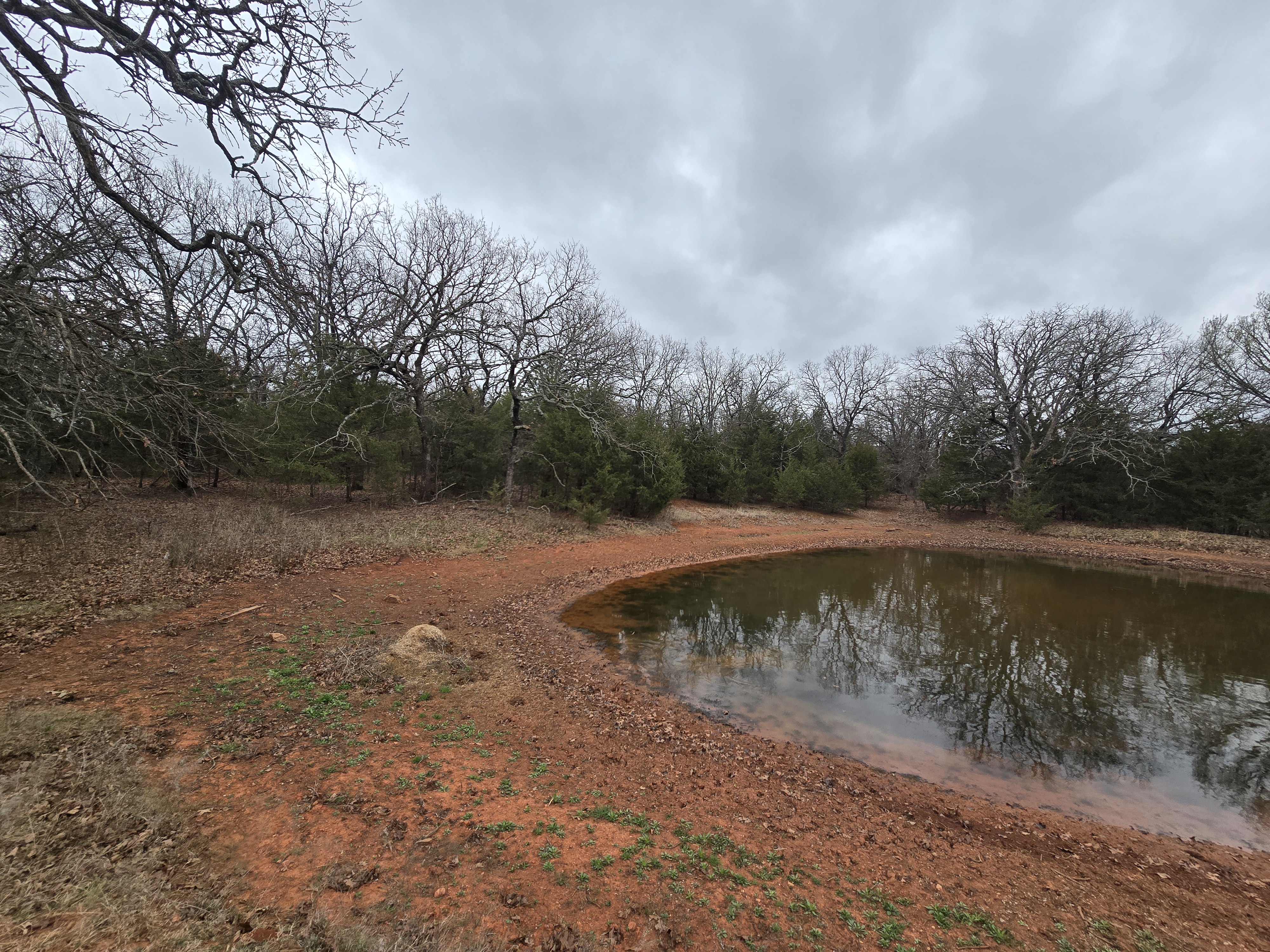
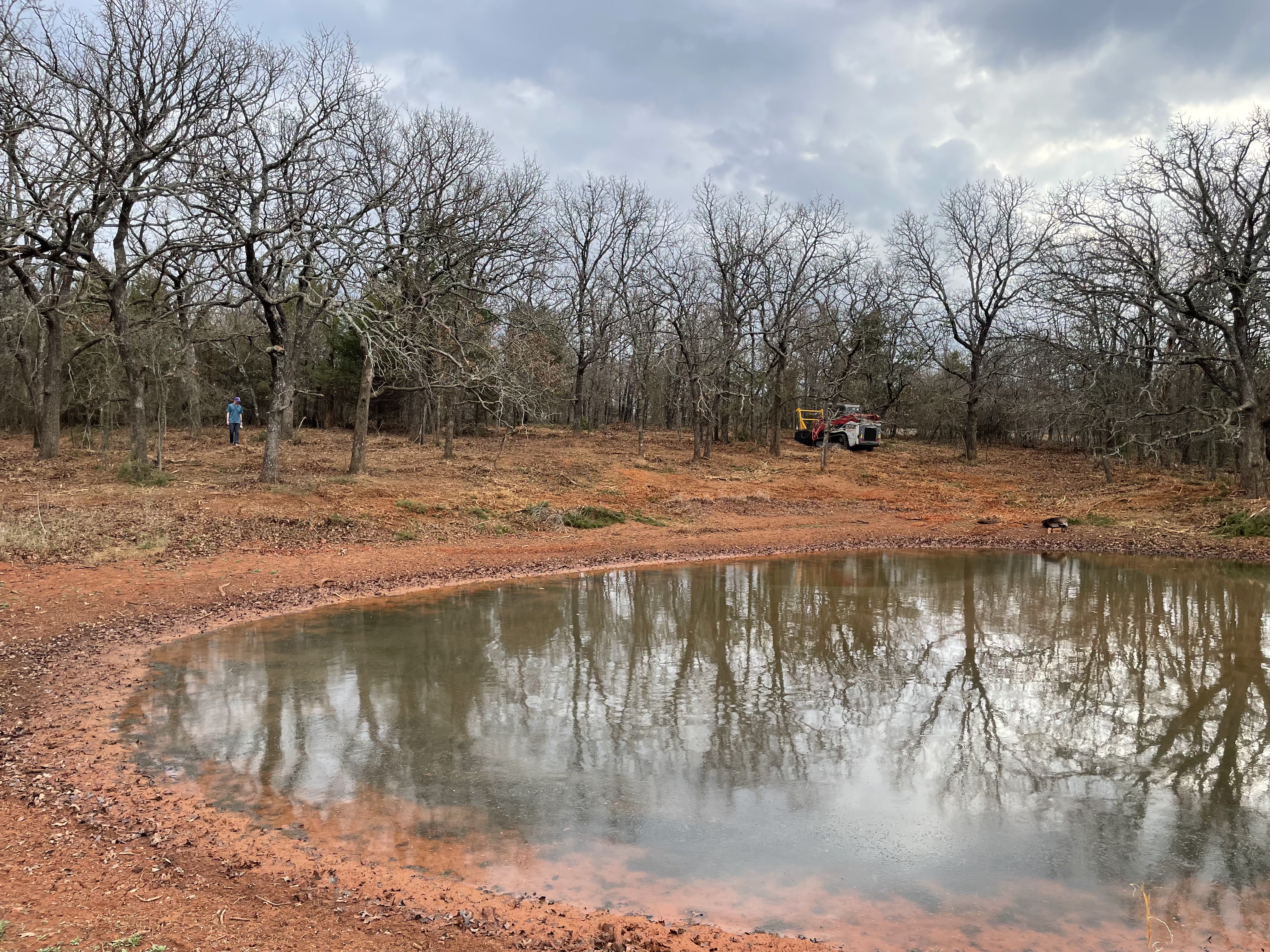
Why cedar takes over
Cedar likes dry years and neglect. One storm or a few seasons without cutting and a light scatter becomes a wall. On Logan, Kingfisher, Canadian, and Lincoln County places we walk every week, cedar is usually the main thing choking the lot. It does not resprout the way mesquite does when you mulch it properly below the lowest green growth. That is why mulching is the right tool for this tree in Oklahoma.
How we kill the stand
The mulcher takes the tree down and turns it into chips on the spot. Roots stay in the ground. Top growth is gone. You are not left with a stump field to trip over or a burn pile that smokes for a week. Oaks and other keepers you mark stay standing. Privacy belts stay if you want them.
What the land looks like after
After a cedar job the property opens. You can see the fence. You can see the house from the road again if that is what you wanted. Grass has light. Cattle or horses can move through edges that used to be a wall. Around ponds and stock tanks, clearing cedar off the banks often means more water stays in the pond instead of feeding a cedar thicket. We use that water angle when it is true for your place, not as a sales line on every call.
The finish is a mulch bed, not scraped dirt. It looks like work got done by someone who plans to leave the land usable.
Cost-share (apply before work)
Oklahoma has cedar cost-share windows through conservation districts and related programs. The FY27 OCC Invasive Woody Species window is open September 1 to November 1, 2026. Rules and eligible districts change. If you want to chase reimbursement, talk to your county conservation district and apply before we cut. We do not file your paperwork and we do not promise dollar amounts. We will time the job around a real approval when that is part of your plan.
Where we see the worst cedar
Logan County around Guthrie and Crescent. Kingfisher County around Okarche, Kingfisher, and Hennessey. Canadian County toward Piedmont, Yukon, and El Reno. Lincoln and Blaine when the drive fits. Same story on a lot of those places: thick cedar, a few keepers, and a landowner who wants the place back.
Selective clearing
You do not have to wipe the whole tract. Many jobs are fence lines, a homesite pocket, a pasture edge, or the stand eating a pond bank. We walk it, mark keepers, and quote one flat total for the scope we agree on.
Common Questions
Does cedar grow back after mulching?
Eastern red cedar does not resprout from the stump when cut below the lowest green growth. Seed already in the soil can sprout later. That is maintenance, not the same tree coming back.
Can I get cost-share money for cedar removal?
Oklahoma has cost-share windows through the OCC and conservation districts, and NRCS EQIP can apply on some parcels. Apply before we cut. We do not file your paperwork and we do not promise dollar amounts. See our cedar cost-share guide for the current window.
Do I have to clear the whole property?
No. Many jobs are fence lines, a homesite pocket, a pasture edge, or the stand eating a pond bank. We walk it, mark keepers, and quote one flat total for the scope we agree on.
Get the cedar off your place
Call (405) 870-1381 or request a walk. Bring photos if you want a first look. Better yet, let us walk it. Cedar jobs are won on the ground, not over text.
Request a Cedar Walk →